
Last updated October 17, 2026
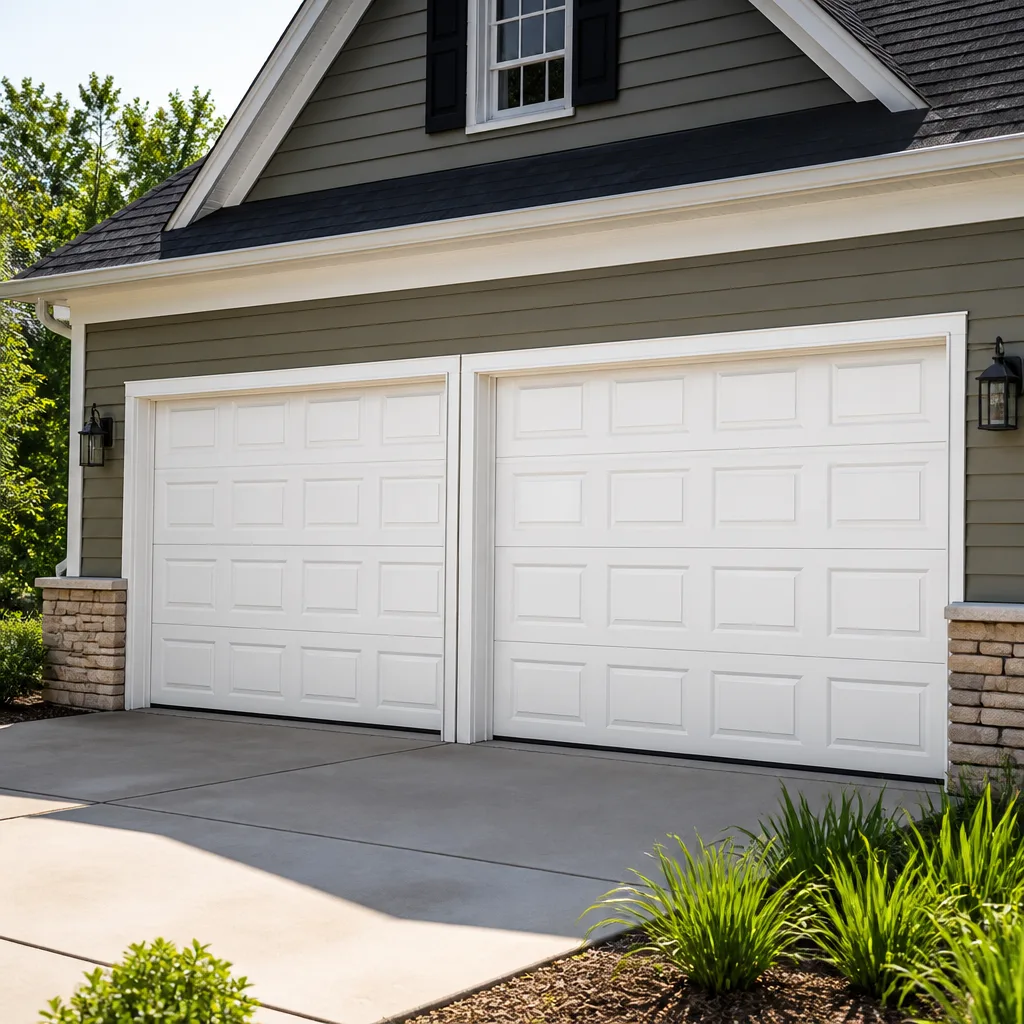 Raised-panel steel
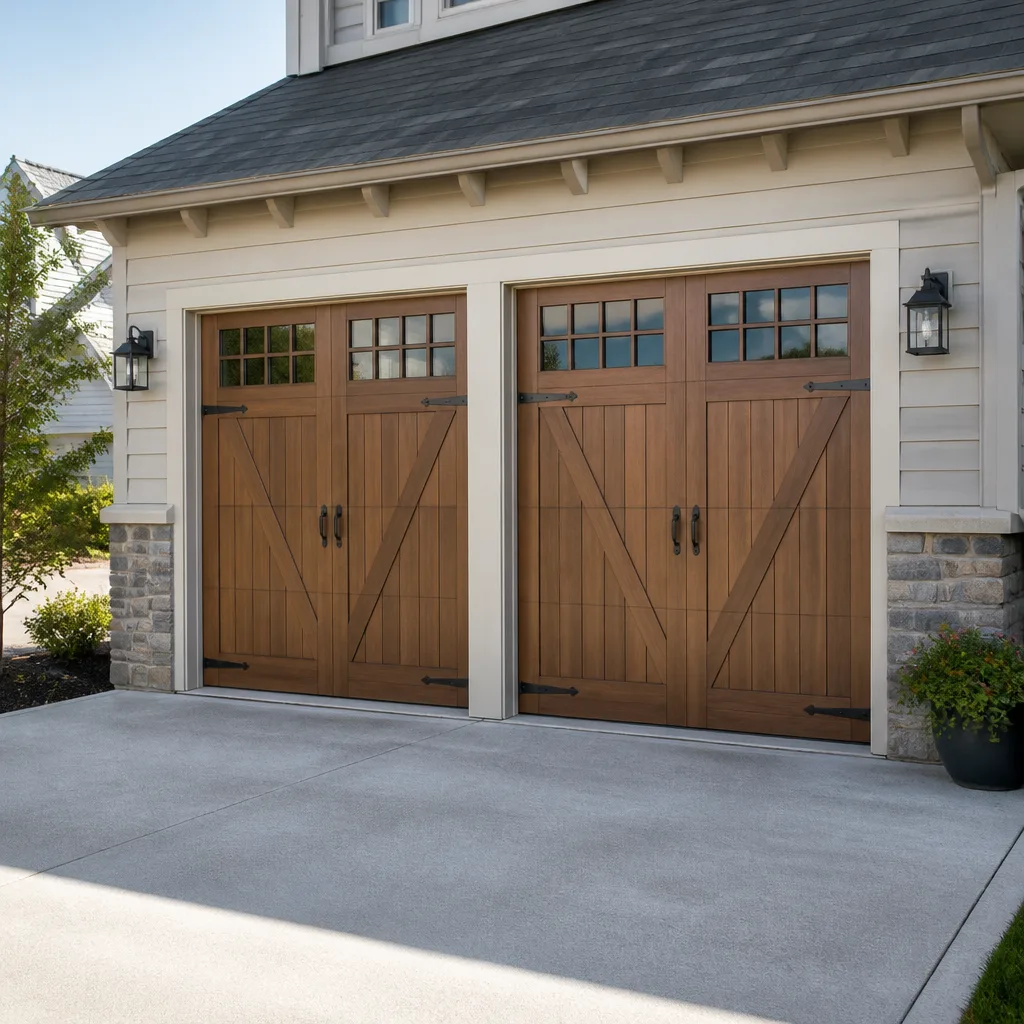 Carriage house
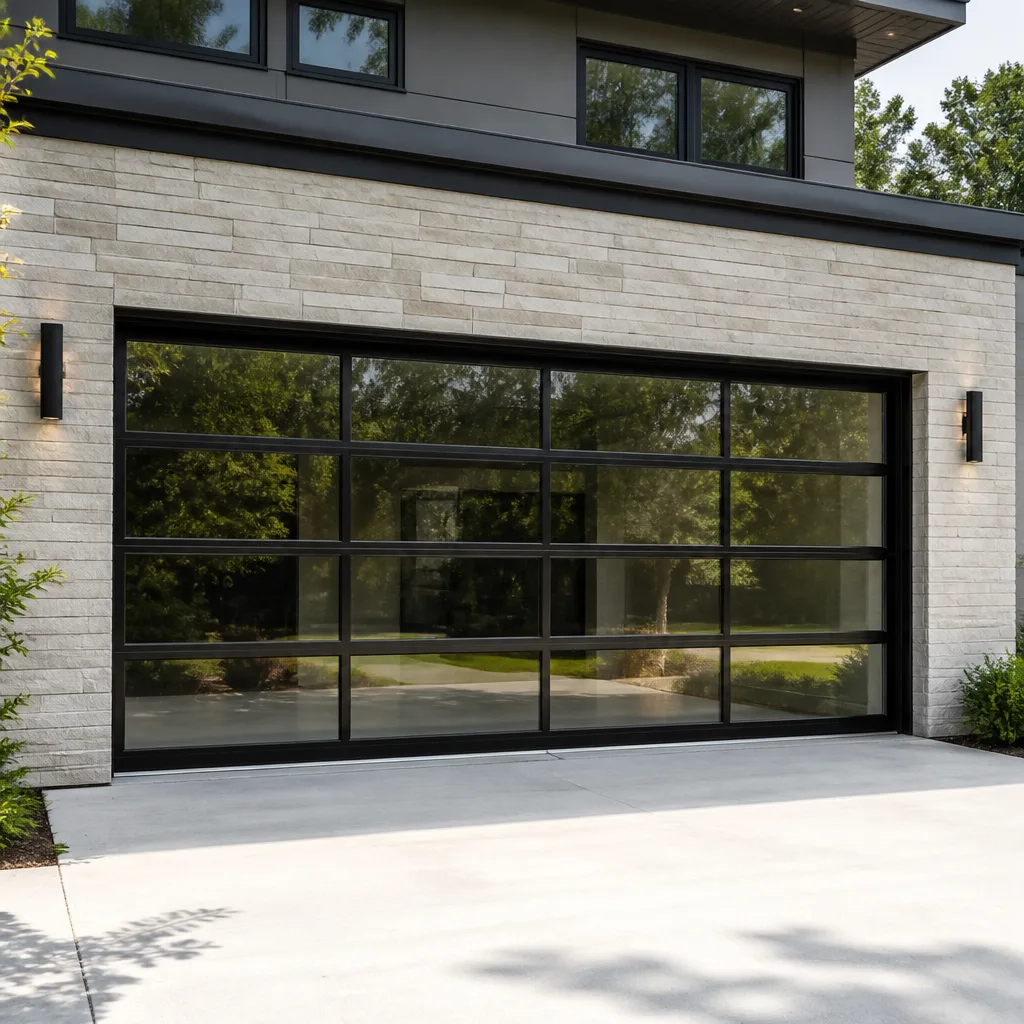 Full-view glass
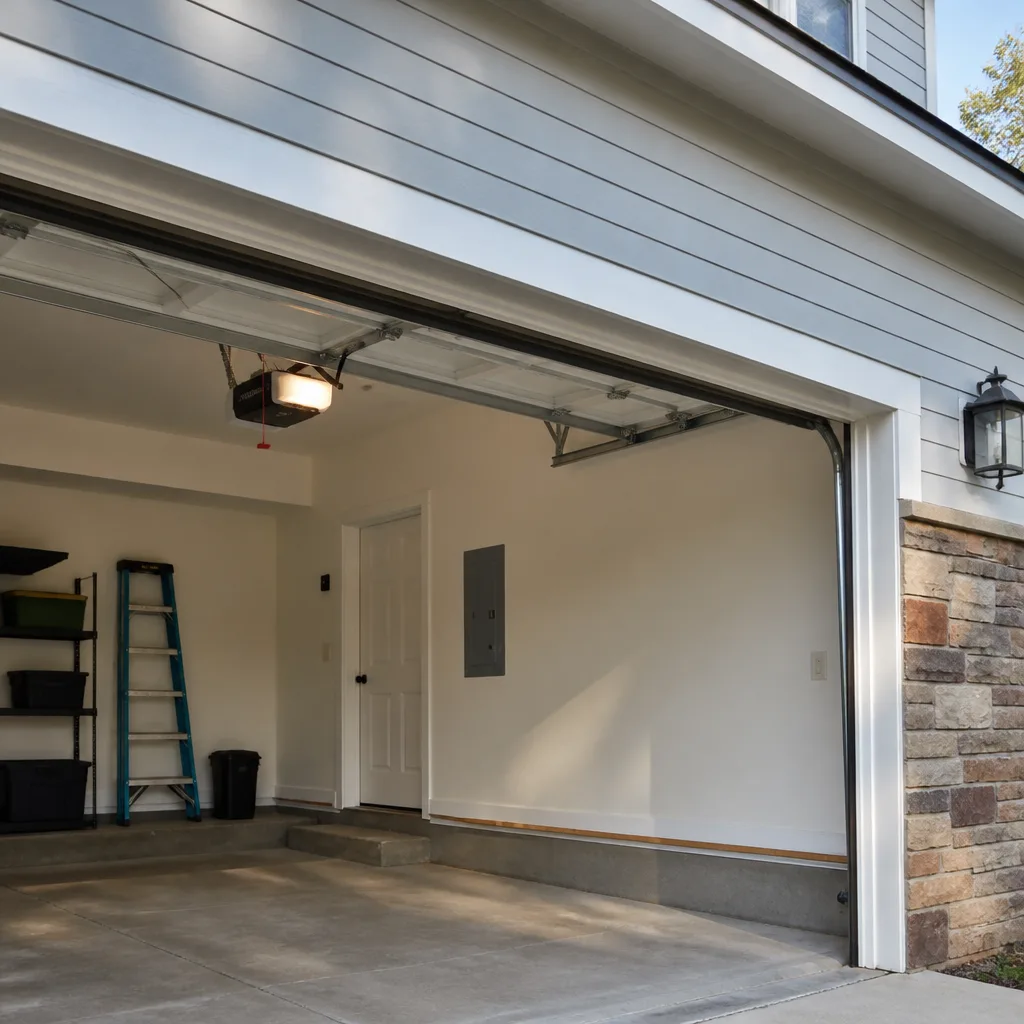 LiftMaster openers
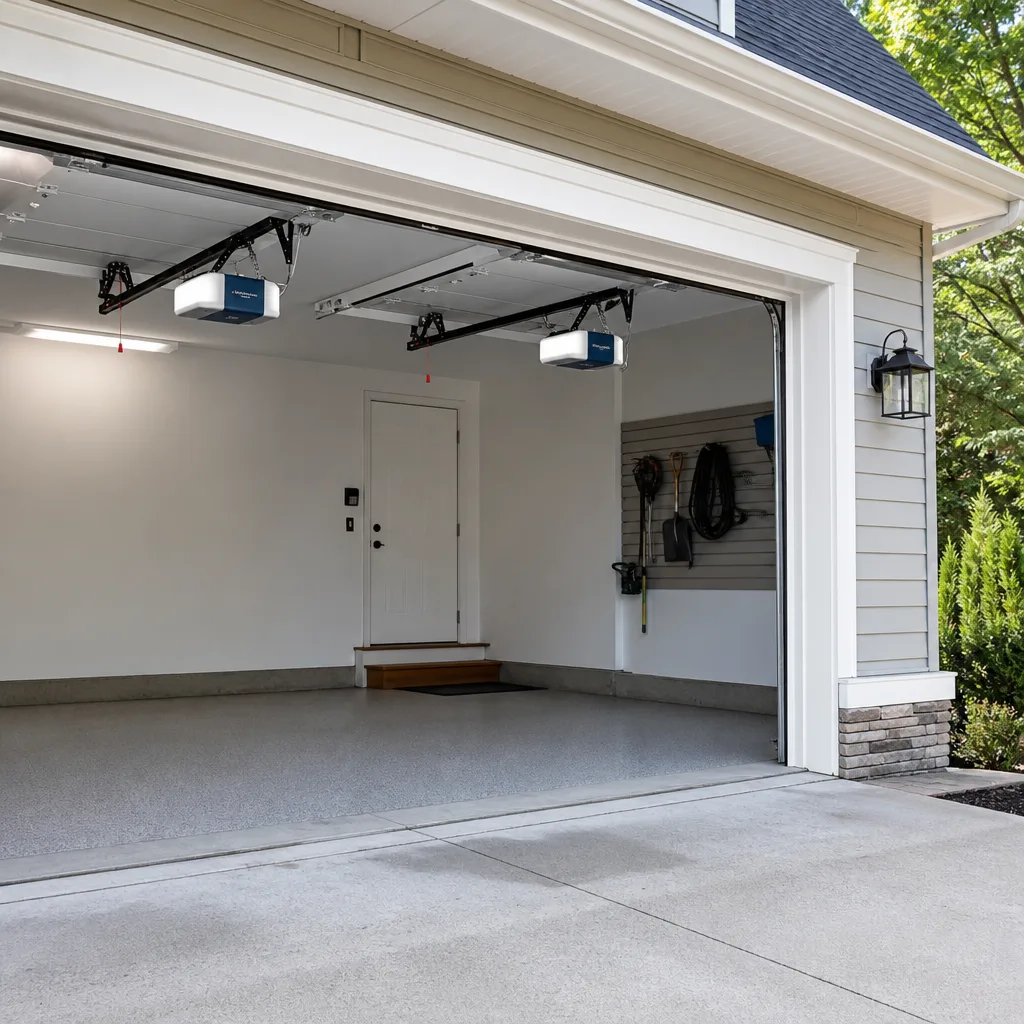 Chamberlain openers
Full 25-point door and opener safety check with every visit - springs, cables, rollers, tracks, and your LiftMaster or Chamberlain opener included
You get a price before we start. It does not change when the truck arrives.
Get your free estimateDIY vs Professional Garage Door: The Riverside Homeowner’s Decision Guide
Torsion springs hold enough stored mechanical force to break bone or worse in less than a second. And yet those same springs get lumped into “DIY garage door” tutorial roundups right next to tasks like wiping down tracks and tightening bolts, jobs that carry almost no risk at all. That conflation is the real problem. We’ve watched Riverside homeowners overestimate their comfort with one task and underestimate the danger of another, simply because online advice treats them as the same kind of job. This guide separates what’s genuinely safe to handle yourself, what’s borderline, and what should never be touched without training, so you can make a clear-eyed decision about your garage door in Riverside without either overpaying or getting hurt. For Riverside homeowners who want a structured approach to upkeep, a checklist helps keep the safe tasks on track.
Quick Answer
Most garage door maintenance tasks, like lubricating hinges and tightening loose hardware, are safe for a careful Riverside homeowner with basic tools. But torsion spring replacement, cable repair, and track realignment carry serious injury risk that makes professional handling the only reasonable choice. The real question isn’t “can I do it?” as much as “what is the failure cost if I do it wrong?” For a family with kids and pets in Riverside, a door that won’t open because a spring snapped during a DIY attempt is a different problem than a door that got a fresh coat of lubricant.
Styles & brands we work with
Table of Contents
- The Safety Line: What Actually Can Hurt You
- Task-by-Task Breakdown: Safe, Borderline, and Hands-Off
- The Tools a Riverside Homeowner Actually Needs for Safe DIY Work
- Why Riverside’s Heat Changes Adhesive-Based DIY Repairs
- The Cost Comparison That Actually Matters
- What to Tell a Technician When You’ve Attempted a Repair Yourself
- Common Mistakes to Avoid
- When to Call a Professional
The Safety Line: What Actually Can Hurt You
Garage door systems separate into two worlds. The first world is the visible hardware: panels, hinges, rollers, handles, weatherstripping, and the track that guides the door. These parts move, but they don’t store energy. The second world is the energy storage system: torsion springs, extension springs, cables, and the opener’s internal gear case. This second world is where people get hurt.
A torsion spring on a standard Riverside two-car garage door holds enough wound tension to lift 150 to 250 pounds of steel every time the door opens. When that tension releases incorrectly, it does so in a fraction of a second. The winding cone becomes a projectile. The cable becomes a whip. The door becomes a falling weight. None of this is an exaggeration, and none of it is fear-based marketing. It’s just the physics of stored mechanical energy.
We’ve been called to Riverside homes in Canyon Crest and Wood Streets after a DIY spring attempt went wrong and the door ended up jammed halfway, cables dangling, spring cones bent. The homeowner in every case was a capable person with a wrench set and a tutorial video and the best intentions. The thing that matters is not their competence. It’s that the tool that actually makes spring work safe is a set of hardened steel winding bars and a spring tension gauge, and neither is sitting in most household toolboxes. When we arrive, we have those tools and the training to use them.
What surprises people most is that the injury risk doesn’t correlate with how “complicated” a repair sounds. Lubricating hinges is simple and safe. Replacing a bottom seal is straightforward and safe. But adjusting garage door balance by winding a torsion spring is a single wrong move away from a hospital visit, even though it’s a “simple” mechanical task in principle. The difficulty isn’t the problem. The consequences are.
Task-by-Task Breakdown: Safe, Borderline, and Hands-Off
The following table separates common garage door tasks into three categories: what a careful homeowner in Riverside can reasonably tackle, what requires a cautious approach with the right expectations, and what should be left to a trained technician like the team at Garage Door Repair in Riverside. This isn’t about gatekeeping. It’s about matching the task to the actual risk.
Safe for a Careful Homeowner
- Lubricating hinges, rollers, and springs with a lithium or silicone-based spray. This is a 15-minute task with zero stored-energy risk if you don’t touch the spring under tension. Use a lubricant safe for pets, since the door area is often where kids and animals pass through.
- Tightening loose bolts and screws on the track brackets and hinge plates. A socket wrench and a few minutes. The key is not overtightening and not moving the track itself.
- Replacing a bottom rubber seal or weatherstripping. This is accessible, inexpensive, and makes a noticeable difference in keeping Riverside dust and heat out of the garage.
- Cleaning the photo eye sensors. A soft cloth and a slight realignment by hand. If the lights blink after cleaning, the sensor likely needs professional attention.
- Testing the auto-reverse feature. Place a 2×4 flat on the ground under the door and close it. The door should reverse within two seconds of contact. This is a safety check every Rverside homeowner should do monthly.
Borderline: Proceed With Caution
- Replacing a broken hinge or roller bracket. It’s a single part, but some hinges sit under spring tension depending on the door’s position. If the hinge is near the bottom, the task is easier. If it’s near the top, call a professional.
- Adjusting opener force settings. Tweaking these without understanding the door’s weight can mask a spring problem. The real fix often lies elsewhere.
- Replacing an opener remote or keypad. Programming is straightforward, but compatibility with brands like Genie, LiftMaster, or Chamberlain matters. A wrong remote can still work intermittently and cause confusion.
Hands-Off: Call a Trained Professional
- Torsion spring replacement or adjustment. The highest-injury-risk task in a home garage. Never attempt without the proper winding bars, training, and a respect for the stored energy involved.
- Cable replacement or re-spooling. Cables work in tandem with the springs. A snapped cable usually means the door is out of balance, and reattaching it without understanding the spring tension is dangerous.
- Track realignment or replacement. The track guides the door’s path. A misaligned track can cause the door to bind and jump off the rollers, which is exactly when people try to catch it with their hands.
- Panel replacement that involves more than cosmetic swaps. Panels are heavy, and the door’s entire weight distribution changes when one is removed.
- Opener motor or gear case repair. The opener’s gear case can strip over time, and opening it without unplugging the unit and releasing door tension is a job for someone who has done it before.
The Tools a Riverside Homeowner Actually Needs for Safe DIY Work
The honest tool list for safe DIY garage door maintenance is shorter than most tutorials suggest. What you actually need in Riverside depends on the task, but here’s the core setup:
- A 3/8-inch socket set with extensions. This covers most hinge and bracket bolts on Clopay, Amarr, and Wayne Dalton doors.
- A lithium-based or silicone spray lubricant, ideally in a non-aerosol form for cooler storage in Riverside garages. Aerosol cans degrade faster in the kind of heat a Riverside garage reaches in August, and replacing a can that won’t spray halfway through the job is a frustrating way to spend an afternoon.
- A step stool or small ladder with a stable base. Most safe tasks don’t require climbing higher than chest height.
- A flathead and Phillips screwdriver. For sensor brackets and weatherstrip screws.
- A pair of work gloves with a grip palm. For handling dirty panels and old rubber seals.
- A clean, dry towel or microfiber cloth. For wiping photo eye lenses and cleaning excess lubricant off the floor when you’re done.
How to recognize when a YouTube tutorial is using professional equipment without naming it: Watch the hands. If the person in the video reaches for a pair of long steel bars and inserts them into holes on a spring cone, that’s a winding bar. That’s the tool that tells you the task has left safe DIY territory. The same goes for a torque wrench being applied to a spring. No homeowner needs to own either for the tasks in the safe category above.
Why Riverside’s Heat Changes Adhesive-Based DIY Repairs
Riverside’s summer temperatures regularly sit above 95 degrees, and the interior of an uninsulated garage can push 110 or higher. That heat changes how adhesives behave. The rubber bottom seal and the weatherstripping along the sides of your door are usually held in place with either a friction fit or an adhesive strip, depending on the door brand. On a hot day, adhesive-backed seals soften quickly and fail to cure properly, which means the seal you install at 2 p.m. in July may peel away from the door by the following morning.
If you’re doing this job yourself, the best time to work in Riverside is early morning before the garage interior heats up, or late evening after the sun has dropped below the roofline. The adhesive needs a surface temperature below about 80 degrees to bond cleanly. Working in the morning also means the door itself, if it’s steel, hasn’t yet become too hot to touch comfortably.
We’ve also seen Riverside homeowners choose a generic adhesive seal and then discover that the constant Riverside sun exposure causes the rubber to crack within a single season. The better approach for this climate is to match the seal to the door brand if possible. A Clopay door takes a Clopay-compatible bottom seal. An Amarr door takes an Amarr profile. The wrong profile looks close enough until it doesn’t sit flush and lets dust and heat pour in around the edges. It’s a small detail that matters in a place where the garage door faces direct sun for six months a year.
The Cost Comparison That Actually Matters
DIY tutorials usually compare the cost of the part to the cost of a professional service call. That’s the wrong comparison. The right comparison includes your time, the cost of the tools you don’t already own, and the cost of a professional fix if the DIY attempt goes sideways.
Here’s how the numbers tend to look in Riverside, based on the calls we run in neighborhoods like Alessandro Heights, Hawarden Hills, and Orangecrest:
- Bottom seal replacement: DIY parts cost $15 to $35. Professional replacement typically runs $85 to $140 in Riverside. DIY makes sense here if you can work early morning and the door is easy to lift manually.
- Hinge or roller replacement: A single hinge or roller is under $20. Professional replacement for a full set of rollers or a worn hinge usually runs $110 to $190. The DIY risk is moderate if the broken part is low on the door and high if it’s near the top.
- Spring replacement: The DIY parts cost $40 to $80 per spring, but the tools you need (winding bars, proper gauge) cost another $50 to $90, and the failure cost is measured in emergency room visits or a door that won’t open. Professional spring replacement in Riverside typically runs $180 to $320 depending on spring size and door weight. This is the clearest case for calling Garage Door Spring Repair in Riverside.
- Opener replacement: A budget opener costs $150 to $250 in parts. Professional installation with the opener included typically runs $450 to $700 in Riverside, and the job includes properly setting the force and travel limits. The DIY risk here is less about injury and more about an opener that reverses at the wrong time or burns out early because the settings weren’t right.
What most DIY calculations miss is the cost of the second attempt. If you attempt a bottom seal and it falls off in three days, you buy the seal again and the adhesive again and spend the same hour in a hot garage. If you attempt a spring adjustment and it goes wrong, the door may be stuck in the open position, which means the garage contents and the house itself are exposed until a technician can get there. That’s a different kind of cost entirely.
The question to ask isn’t “how much does the part cost?” The question is “what’s the total cost of this job if my first attempt doesn’t stick, doesn’t hold, or doesn’t work?” For the safe tasks, the answer is usually low enough that DIY makes sense. For the hands-off tasks, the answer is high enough that calling a professional is cheaper in every way that matters.
What to Tell a Technician When You’ve Attempted a Repair Yourself
We’re not going to lecture you for trying. What we do need is accurate information about what was touched, because the technician’s first job is to assess the door safely before doing any work. The following list is what we ask every Riverside customer who’s had a go at the repair themselves:
- Which specific part you adjusted, replaced, or removed. “I tightened the track bolts” is meaningful. “I did some stuff to the door” is not.
- Whether you touched the springs or the cables in any way. Even a small adjustment changes how much tension is on the system, and the tech needs to know before putting hands on it.
- What the door did after your repair attempt. Did it open halfway and stop? Did it slam? Did it make a popping sound? The door’s behavior after the attempt tells us a lot about what shifted.
- Whether you used any lubricants, adhesives, or cleaners. Some products interact badly with certain door materials, and knowing what went on the door helps us avoid making a small issue worse.
- Whether the door was left in the open or closed position when you stopped. If it’s stuck open, we know we’re walking into a different kind of job than if it’s stuck closed.
Being upfront about a DIY attempt doesn’t affect the price you’ll pay. It affects how safely and quickly the technician can fix what’s wrong, and it keeps everyone safe. At Fernbrook Garage Doors Riverside home, our technicians hear about DIY attempts all the time, and the reaction is always the same: thanks for telling us, let’s take a look.
Common Mistakes to Avoid
- Treating every garage door tutorial as if it applies to your door. A Wayne Dalton door with a torque spring handles differently than an Amarr door with a torsion spring. The tutorial maker may not tell you which one they’re working on.
- Using WD-40 or a penetrating oil on hinges and rollers. These products are degreasers more than lubricants. They strip away the grease that keeps your rollers quiet and leave the metal dry. The proper choice is a lithium or silicone-based lubricant.
- Attempting spring work with screwdrivers or pry bars in place of proper winding bars. This is the single most dangerous DIY mistake in garage door work. A screwdriver tip loaded with spring tension can snap off and become a high-velocity fragment.
- Ignoring the auto-reverse test after adjusting anything on the opener. The auto-reverse is the main safety mechanism for kids and pets. If the door doesn’t reverse on contact with a 2×4 lying flat, the opener settings are wrong, and the door is a hazard.
- Replacing an opener remote without clearing the old codes from a lost remote. That old remote still opens the door if it’s ever found by someone else. This is a Riverside-specific concern in our neighborhoods where garages open directly onto alleyways and side streets.
- Working on a garage door with the opener still plugged in. Many tasks are safe to do while the opener is connected, but anything touching sensors, wiring, or the opener itself needs the unit unplugged. Electricity plus a moving door plus a ladder is a combination that invites trouble.
- Assuming all lubricants are safe for pets and kids. Some garage lubricants leave a residue that sticks to paws and small hands. If you’re working on a door that opens into a space where kids and animals play, choose a pet-safe lubricant and wipe excess thoroughly.
When to Call a Professional
Call a professional when the repair involves springs, cables, track alignment, or a door that no longer stays in position when opened manually. Also call when the door makes a loud bang during operation, when it reverses without obstruction, or when the panels are visibly cracked or separating. Those are not maintenance issues. They’re structural and mechanical failures that get worse with every open-and-close cycle. Fernbrook Garage Doors Riverside offers free estimates in Riverside. Call (559) 254-0605. A live person answers 24 hours a day, and you’ll get a written price before any work begins.
See the difference
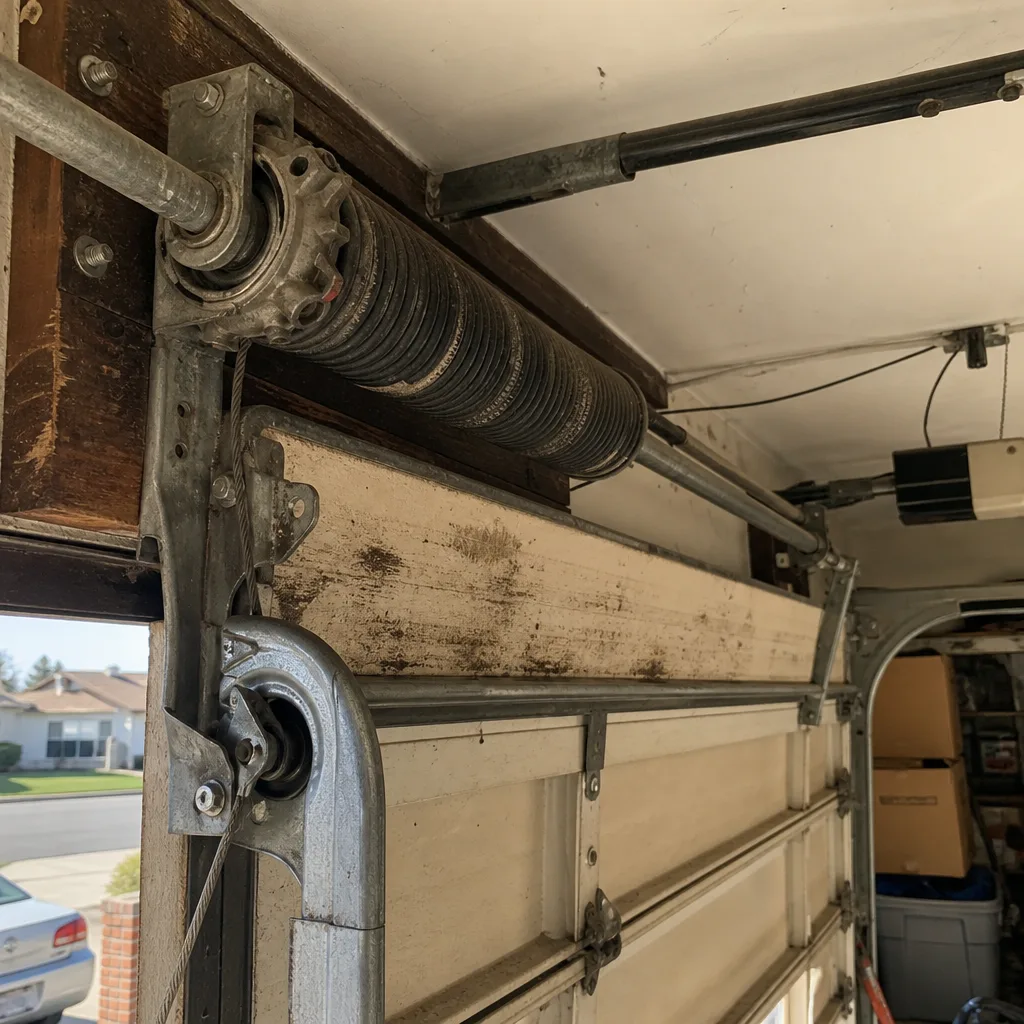 Before
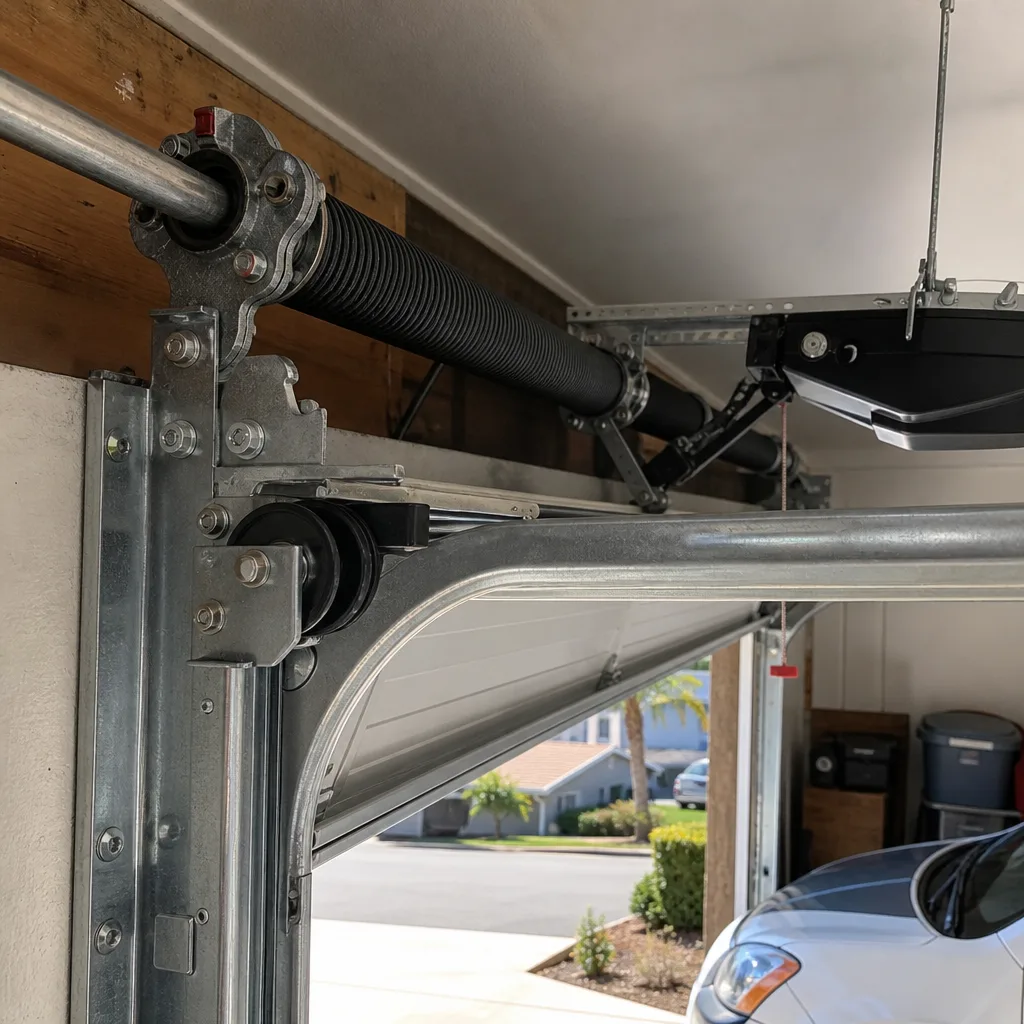 After
After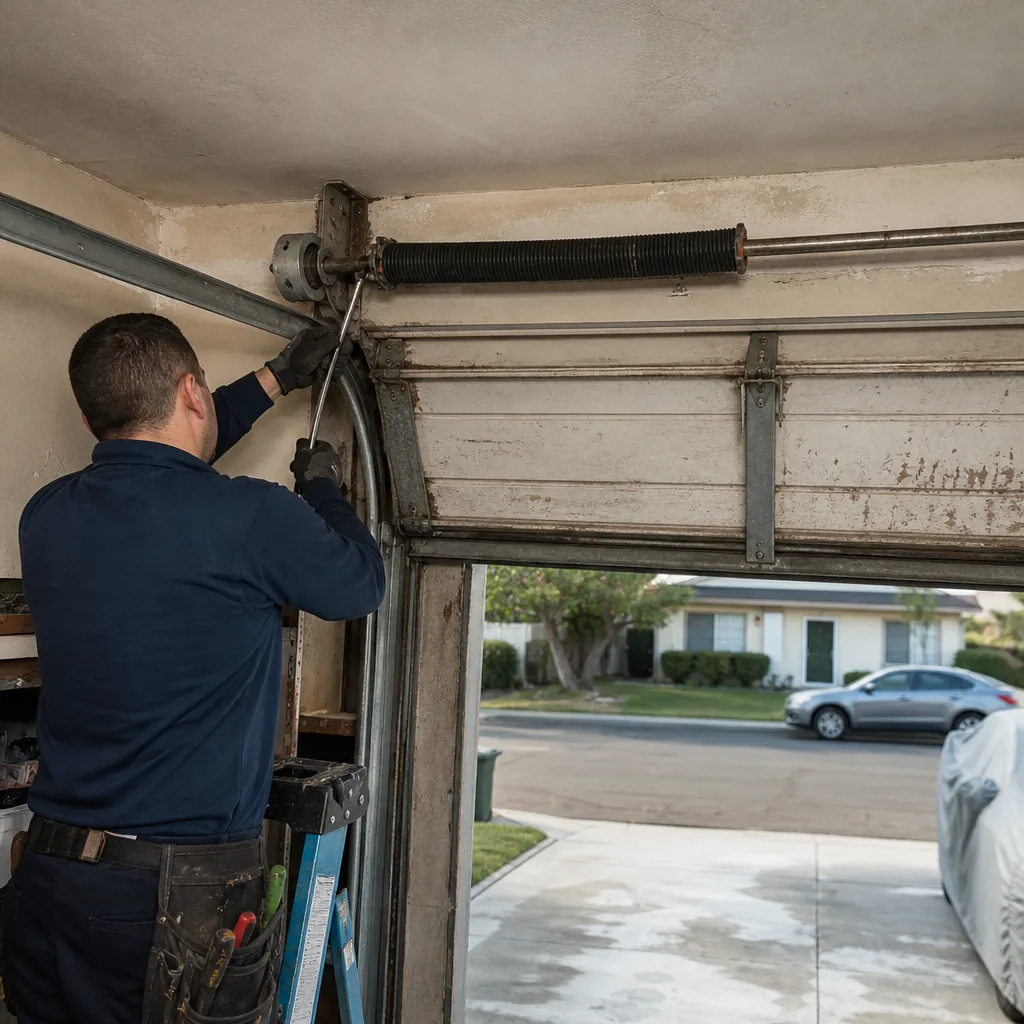 Before
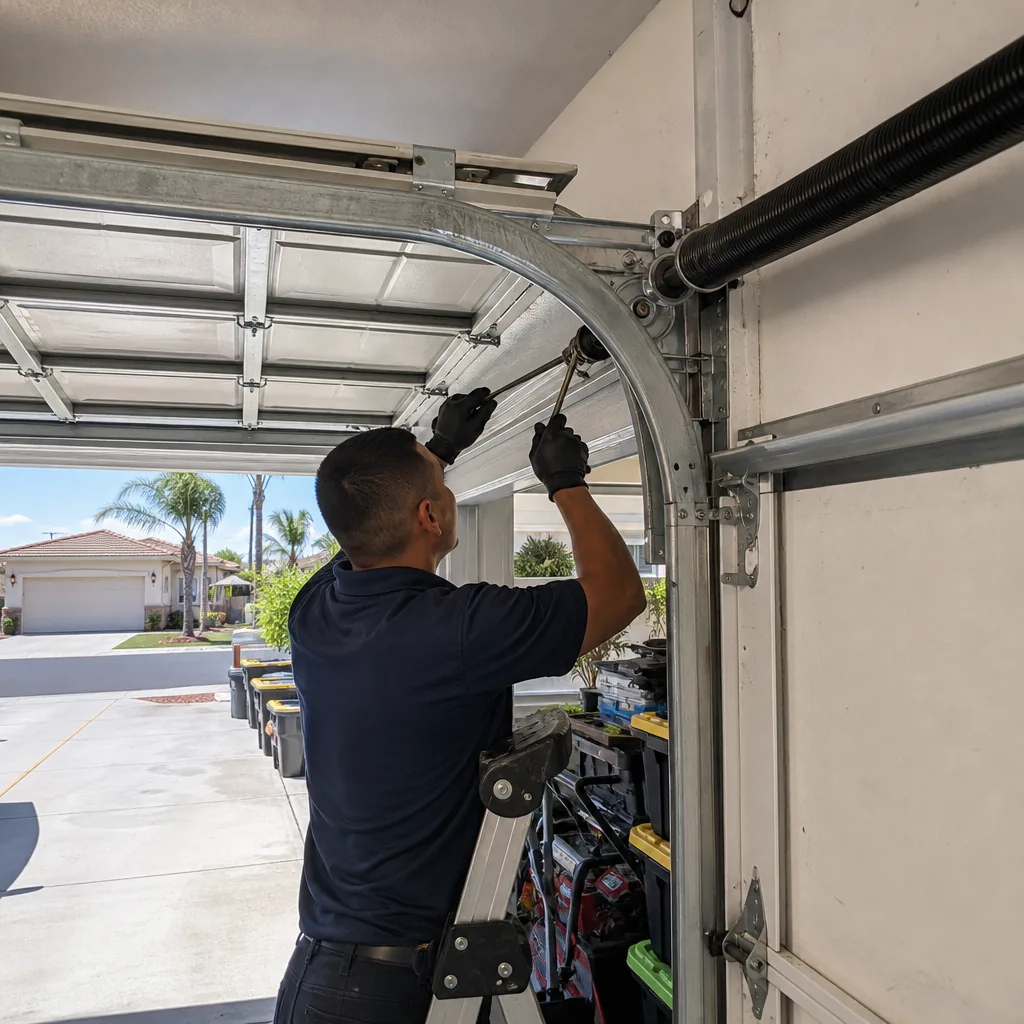 After
After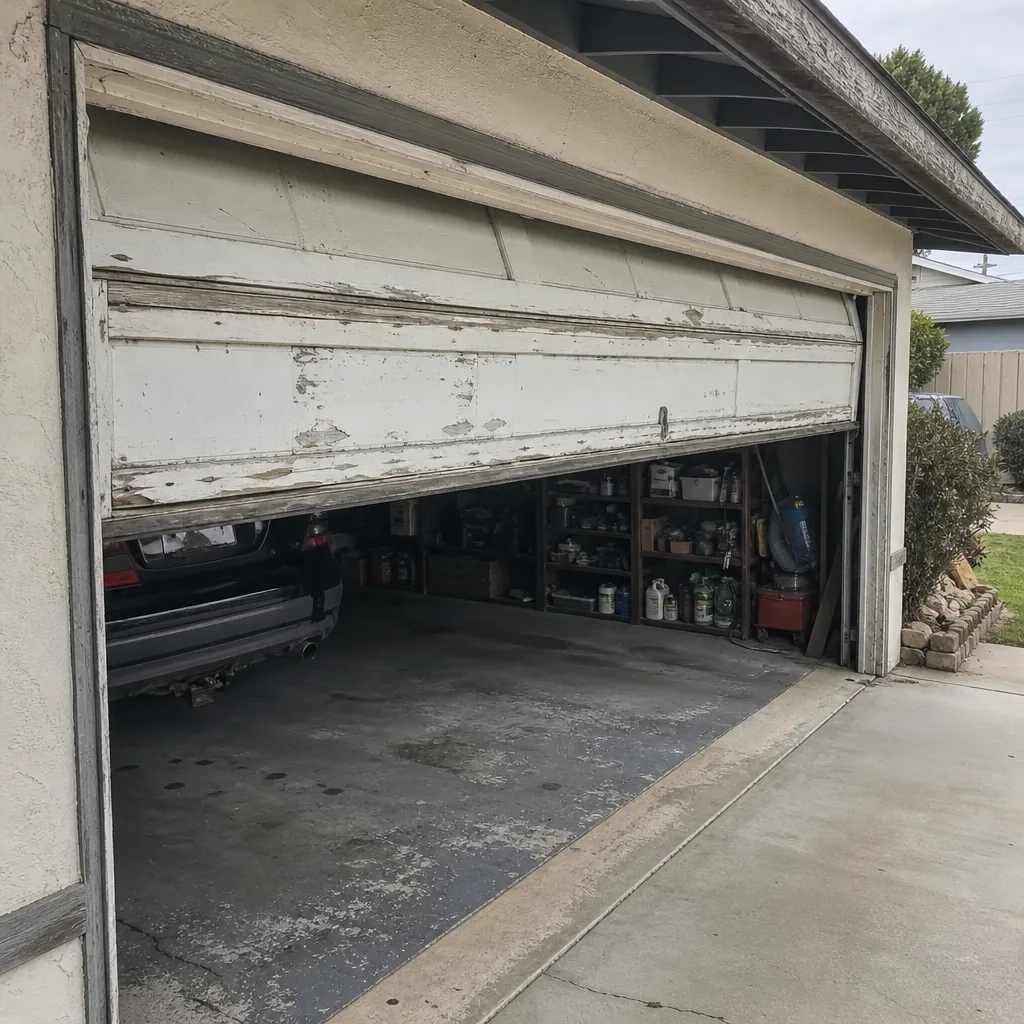 Before
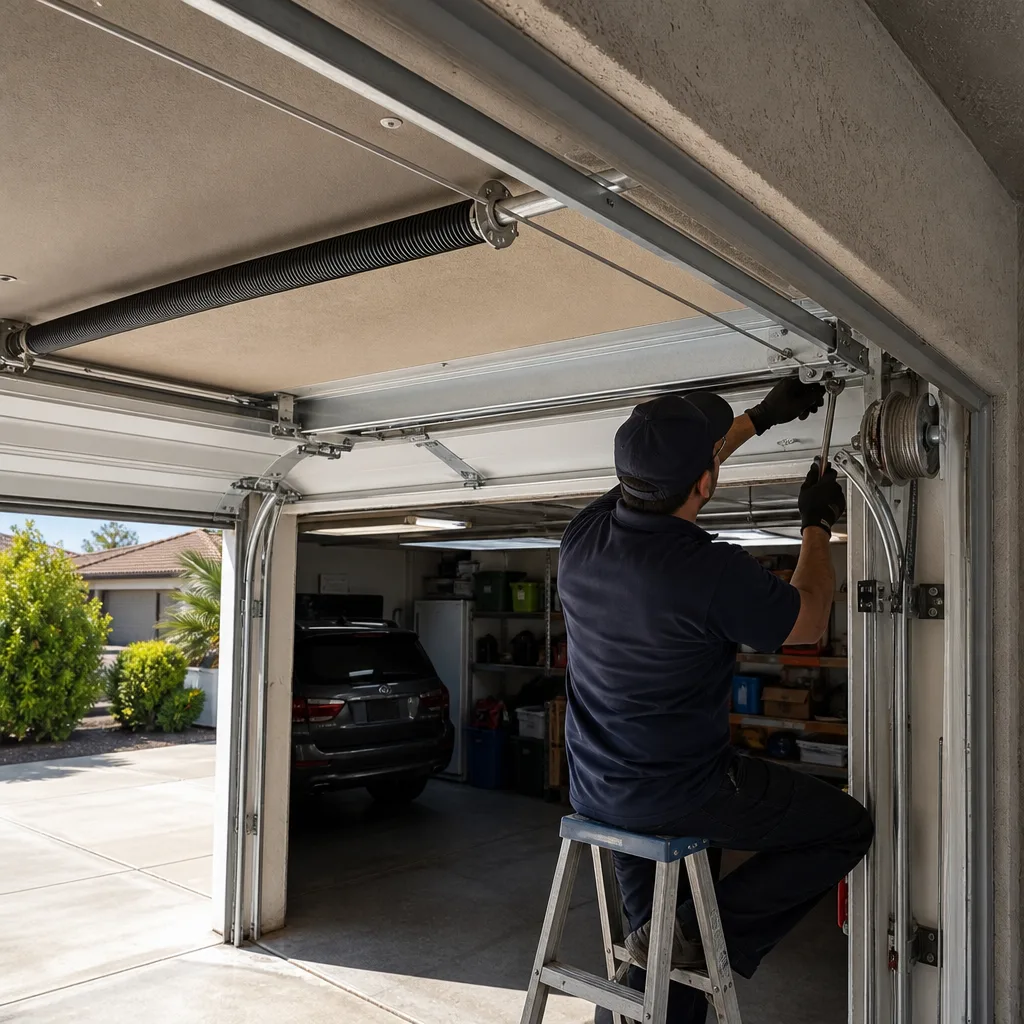 After
AfterFrequently Asked Questions
Yes, lubricating hinges, rollers, and the spring with a lithium or silicone-based spray is safe for a careful homeowner and takes about 15 minutes. Avoid penetrating oils like WD-40, which strip grease and leave metal dry.
Professional torsion spring replacement in Riverside typically runs $180 to $320 depending on spring size and door weight, while the parts alone cost $40 to $80 per spring. The additional cost covers the proper winding bars, training, and the fact that a failed spring repair attempt can cause serious injury or leave the door stuck open.
A standard garage door with a broken torsion spring typically won’t fall on its own, because the cables and the other spring still hold some tension. But a door with a broken cable or a snapped extension spring can drop suddenly if the opener releases, which is why cable and spring work should be left to a trained technician.
Early morning or late evening, especially for adhesive-based tasks like bottom seal replacement. Riverside’s summer garage temperatures can exceed 110 degrees by mid-afternoon, which prevents adhesives from curing properly and makes steel doors uncomfortable to handle.
At Fernbrook Garage Doors Riverside, the price is presented in writing before any work begins and it doesn’t change unless you approve additional work first. No surprise invoices. If you’ve attempted a repair yourself, tell the technician so they can assess the door safely and give you an accurate quote for whatever is actually needed.
For most repairs and installations, yes, an adult needs to be home to approve the written price and answer any questions about the door’s history. For Garage Door Installation in Riverside, the same applies: we measure, present a written price, and schedule the work for a time that works for your household.
The Bottom Line
The DIY-versus-professional question for garage doors in Riverside isn’t a single answer. It’s a spectrum. Lubricating hinges and replacing a bottom seal are reasonable tasks for a careful homeowner. Spring work, cable work, and track realignment are not, and the reason isn’t complexity. It’s stored mechanical energy and the very real possibility of serious injury. Riverside’s heat adds another layer to adhesive repairs, and the honest cost comparison always includes the cost of a second attempt if the first one fails. For the jobs that carry real risk, the smartest DIY move is recognizing which category you’re in and calling a professional before the door gets worse. If you want to go deeper on safe upkeep, our blog has more guides & resources written specifically for Riverside conditions.
Written by Jesse Calder, Owner at Fernbrook Garage Doors Riverside, serving Riverside since 2002.