
Last updated October 17, 2026
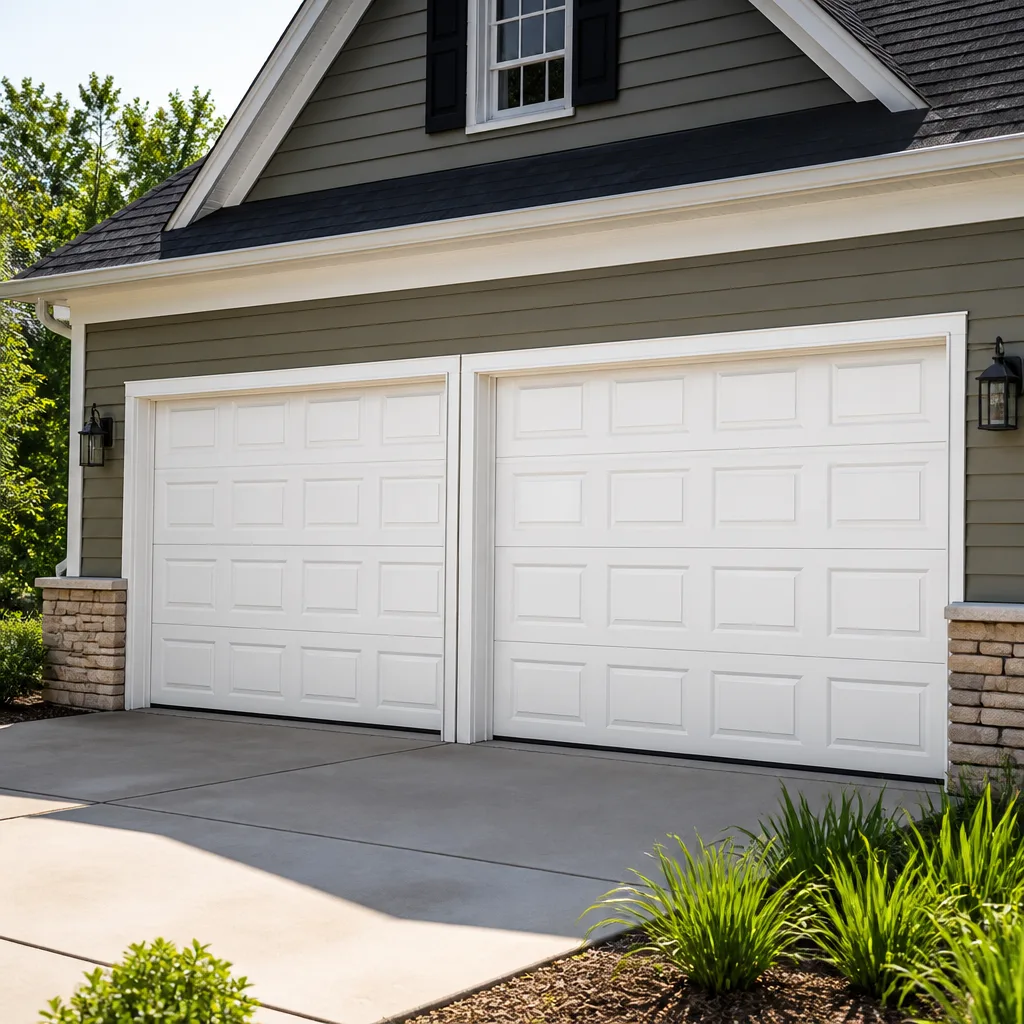 Raised-panel steel
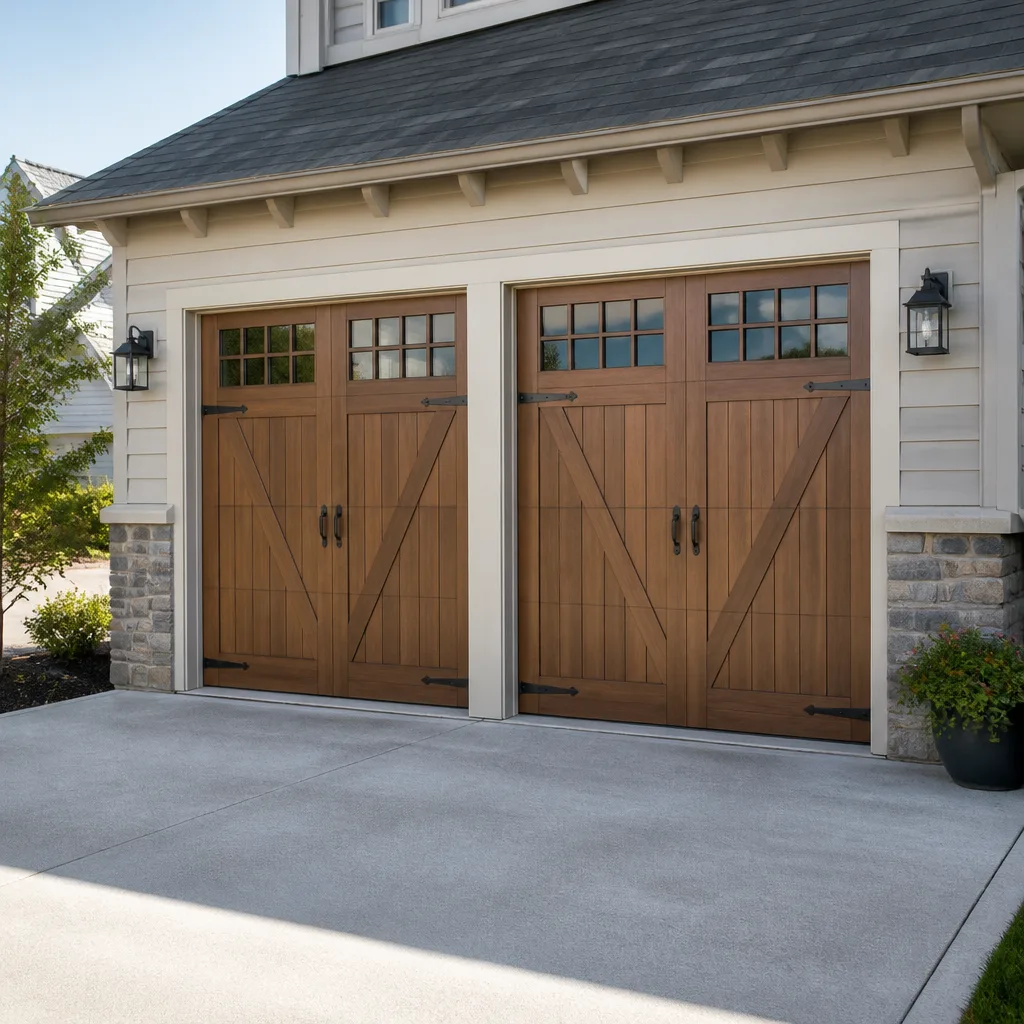 Carriage house
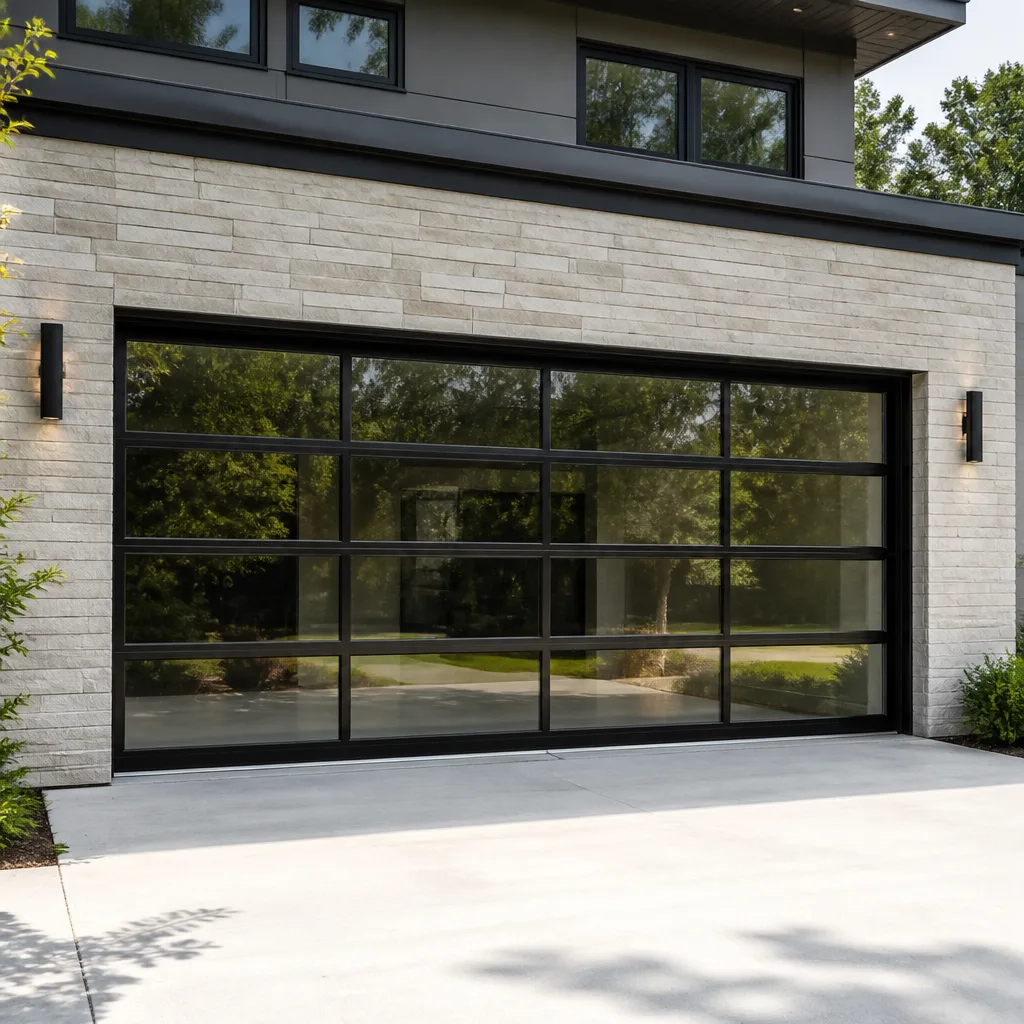 Full-view glass
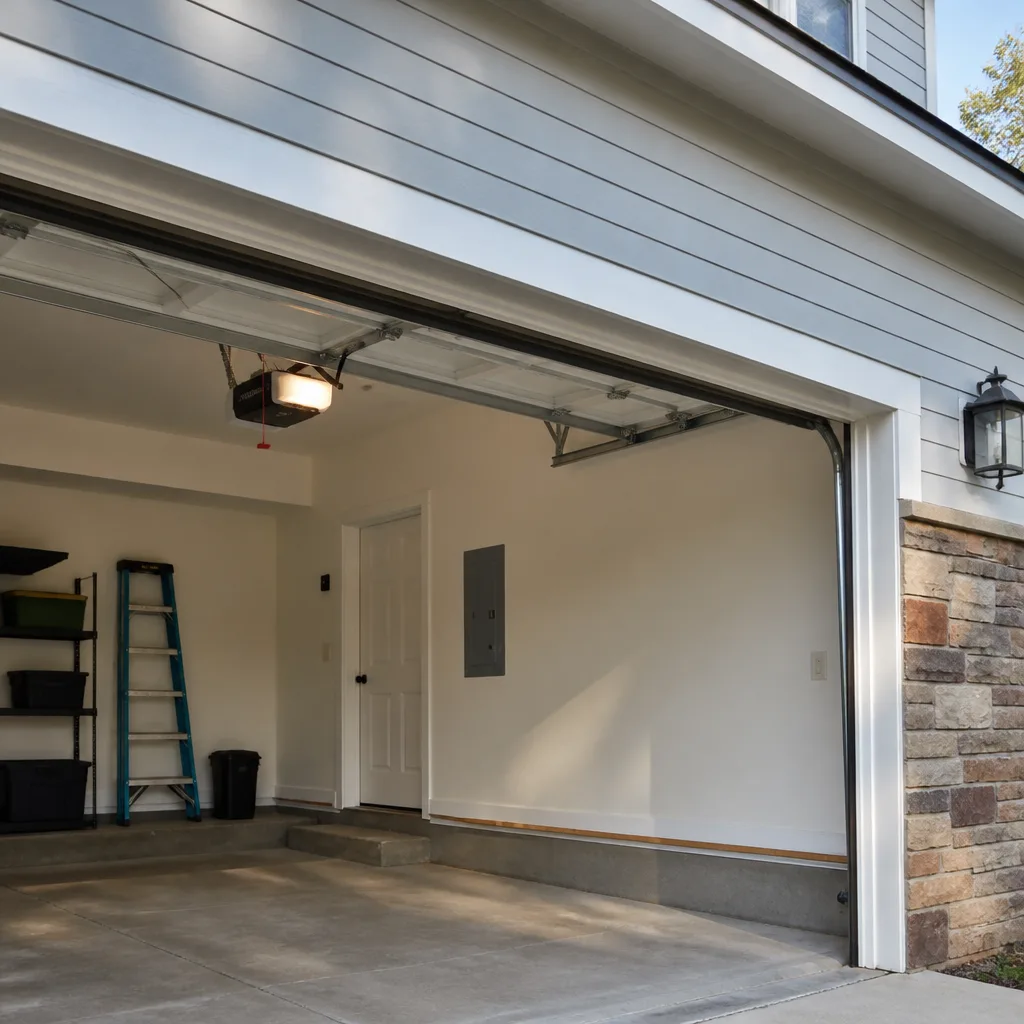 LiftMaster openers
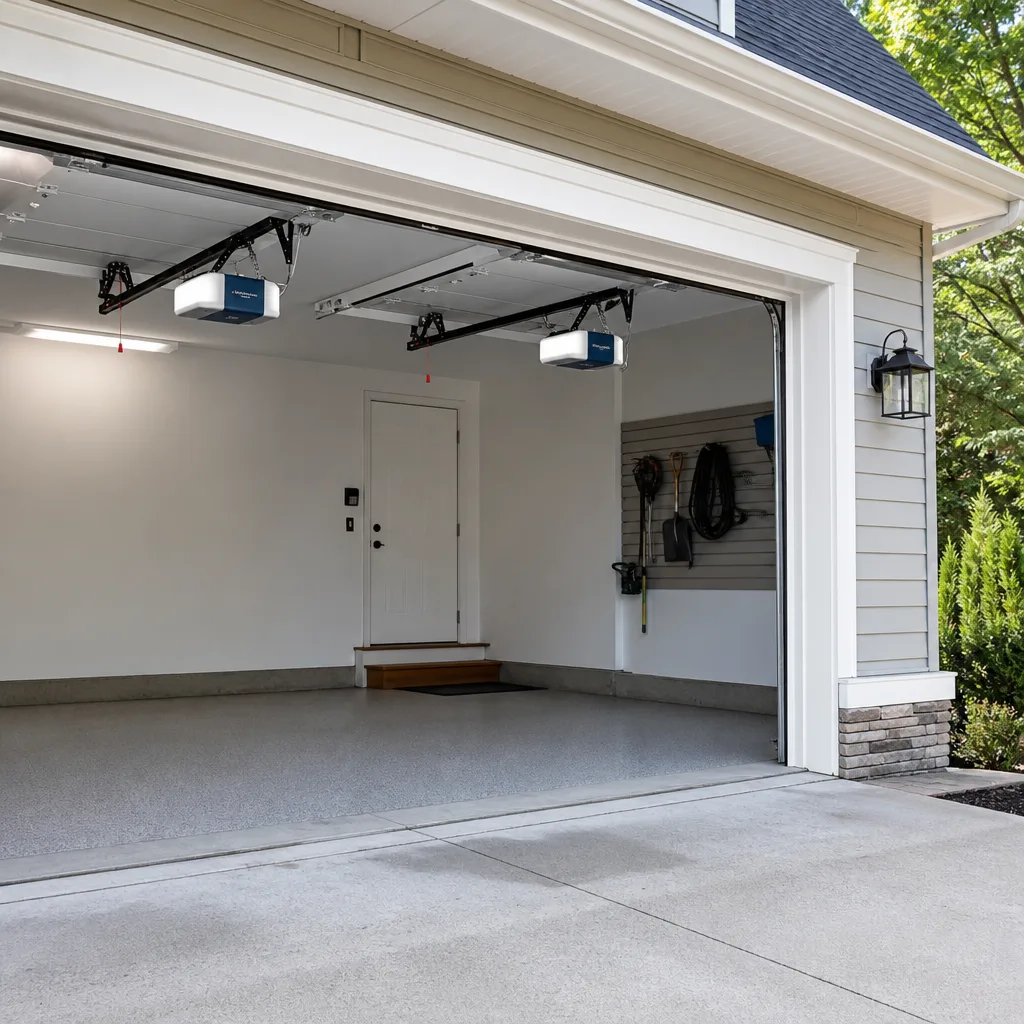 Chamberlain openers
Full 25-point door and opener safety check with every visit - springs, cables, rollers, tracks, and your LiftMaster or Chamberlain opener included
You get a price before we start. It does not change when the truck arrives.
Get your free estimateGarage Door Permits, Codes & Inspections in CA: What You Need to Know
Here’s a statistic that surprises most Riverside homeowners: a standard garage door replacement, done correctly, usually requires no permit at all in California. What does require one is the project that looks identical from the curb but changes something structural, electrical, or energy-related behind the scenes. We’ve watched a Riverside family sell a home in the Wood Streets, only to have escrow stall for eleven days because a previous owner installed a garage door opener without the electrical permit that Riverside County’s building department expected to see. The door itself was fine. The paper trail was not.
This guide is written for homeowners in Riverside and across California who want to know exactly where the permit lines fall, which code sections matter, and how to fix a missing permit before it becomes a closing-day problem. For Garage Door Warning Signs: A Riverside Homeowner’s Reference Guide, see our companion resource. You’ll learn the specific California Building Code threshold that separates a simple door swap from a permitted project, when an opener installation triggers an electrical review, how the 2019 Energy Code affects garage doors, and how to request a retroactive inspection in Riverside if you’re selling a home with unpermitted work.
Styles & brands we work with
Quick Answer
Most garage door replacements in Riverside and throughout California do not require a building permit when the new door fits the existing opening and no structural, electrical, or energy-related changes occur, though our Garage Door Repair Maintenance Checklist for Riverside Homeowners can help you spot issues early. The most common trigger for a permit is replacing a garage door opener, because that involves new electrical wiring that falls under the California Electrical Code and Riverside County’s inspection process. If you’re replacing a door like-for-like with no opener work, you’re typically exempt, but if you’re widening the opening, adding a door where none existed, or installing a new opener from scratch, plan on pulling permits before work begins.
Table of Contents
- When California Requires a Garage Door Permit
- What Like-for-Like Replacement Means in Riverside
- The Opener Installation That Silently Triggers an Electrical Permit
- How the 2019 California Energy Code Applies to Garage Doors
- Riverside’s Permit Process: Steps, Timelines, and Fees
- How to Request a Retroactive Inspection in Riverside for Unpermitted Work
- Selling a Riverside Home With Garage Door Work: What Escrow Needs
- Common Mistakes to Avoid
- When to Call a Professional
- Frequently Asked Questions
- The Bottom Line
When California Requires a Garage Door Permit
The California Building Code (CBC), which Riverside County and the City of Riverside adopt with local amendments, draws a clear line between a repair and a project. Section 105.2 of the CBC lists work exempt from permit requirements. A garage door swap that does not alter the structure, electrical system, or energy performance of the home falls under that exemption. The door, tracks, springs, and hardware are considered finish-level components when they occupy an existing, unchanged opening.
Here is the specific threshold that matters: if the new garage door fits the existing rough opening without cutting into framing, and if no new wiring is run to power or control the door, the project is generally permit-exempt under California code. The moment you modify the opening dimensions, add a door where there was previously a wall, or install electrical components beyond what existed before, you have crossed into territory that Riverside’s building department considers a permit-required alteration.
Permit-exempt garage door work in Riverside typically includes:
- Replacing a sectional garage door with another sectional door of the same or similar size, using the existing tracks and mounting points
- Replacing garage door springs, cables, rollers, or hinges on an existing door
- Replacing weatherstripping, bottom seals, or trim boards around the existing opening
- Painting or refinishing an existing garage door without altering its material composition
Permit-required garage door work includes:
- Widening or heightening the garage door opening, which means cutting into load-bearing or non-load-bearing walls
- Adding a garage door to a structure where none previously existed, such as converting a carport to a closed garage
- Installing a new garage door opener when no opener wiring, outlet, or circuit previously existed in the garage
- Any project that requires structural header work, new footings, or lateral bracing modifications
What Like-for-Like Replacement Means in Riverside
The term “like-for-like replacement” appears throughout California permitting guidance, and Riverside’s building officials use it as the practical test for whether a project stays exempt or crosses into permit territory. A like-for-like replacement means the new garage door occupies the same opening, attaches to the same structural supports, and performs the same function as the door it replaces. The door’s material, brand, insulation value, and aesthetic appearance can change without triggering a permit, so long as the structural relationship between the door and the home remains unchanged.
Two specific changes take you out of the like-for-like exemption in Riverside. The first is a change to the opening’s dimensions. Even adding six inches of height to accommodate a taller vehicle changes the header load path and requires an engineer’s review, a building permit, and an inspection. The second is a change to the door’s weight or operational system that requires new mounting hardware attached to the home’s structure. For example, replacing a lightweight aluminum single-car door with a heavy double-car wood door often means the existing header and track supports are no longer adequate, which is a structural change, not a swap.
Here is how Riverside homeowners can check whether their project qualifies as like-for-like before calling anyone:
- Measure the existing rough opening width and height. If the new door fits within these dimensions without cutting framing, you are still in like-for-like territory.
- Check the existing track system. If the new door uses the same track gauge and mounting points, the project remains a replacement. If you need new mounting brackets bolted into fresh locations on the wall or ceiling, the structural relationship has changed.
- Confirm the door weight. A new door that weighs more than 20% more than the old one often requires a spring and track upgrade that changes how load transfers to the header.
- Call Riverside’s building department at the counter or by phone and describe the project in plain language, including the opening size, door weight, and whether any electrical work is involved. The counter staff will give you a definitive answer in minutes.
The Opener Installation That Silently Triggers an Electrical Permit
Here is the scenario that catches more Riverside homeowners than any other: they replace a garage door without a permit, and the project is completely legal. Then they ask the installer to add a new garage door opener, because the old opener was fifteen years old and making noise. The installer runs a new dedicated circuit from the electrical panel to a ceiling outlet, mounts the opener, and tests it. The homeowner never thinks about permits. The work looks clean. Two years later, the home goes into escrow, and the buyer’s home inspector flags the new circuit as unpermitted electrical work.
The California Electrical Code requires a permit for any new electrical circuit, which includes running new wire from a breaker panel to an outlet that powers a garage door opener. The trigger is not the opener itself. The trigger is the new wiring. If the garage already had a ceiling outlet from a previous opener installation, and the new opener plugs into that existing outlet, no electrical permit is required, because no new circuit was added. If the installer runs a new wire, installs a new breaker, or adds a new outlet where none existed, that is a permit-required electrical project under Riverside County’s enforcement of the California Electrical Code.
In our experience replacing garage door openers across Riverside, about a third of homes built before 1990 lack a dedicated ceiling outlet in the garage precisely where a modern opener needs to mount. Homes built after 2000 usually have the outlet already in place. The difference determines whether the opener installation is a fifteen-minute plug-in job or an electrical permit project. When we install openers in Riverside, we check for the existing outlet before quoting, because that detail determines whether a permit and inspection will be part of the project.
How the 2019 California Energy Code Applies to Garage Doors
The 2019 California Energy Code, which took effect January 1, 2020, and remains the baseline for most residential construction in Riverside, sets insulation requirements for garage doors in specific situations. The code’s goal is to reduce heat transfer between conditioned and unconditioned spaces, and garage doors are a major thermal boundary in Riverside’s hot, dry climate, where summer garage temperatures routinely exceed 110 degrees.
For new construction, the 2019 Energy Code requires garage doors that separate conditioned space from the garage to meet minimum insulation values, typically R-4.5 for single-layer steel doors and higher for doors on homes with an attached conditioned room above the garage. For replacement doors on existing homes, the requirements are narrower. A like-for-like replacement door does not need to meet the current insulation standard, because the existing home was built under an earlier energy code. The moment the project becomes a permitted alteration, however, the new door must meet current energy code requirements, which often means specifying an insulated door where a non-insulated one previously stood.
In Riverside specifically, the practical effect is this: if you are replacing a garage door on a home built after 2000, your existing door was likely insulated at the time of construction, and a like-for-like replacement keeps you compliant. If you are doing permitted work that involves re-trimming the opening, the building department will check the door’s insulation value on the manufacturer’s specification sheet. Clopay, Amarr, and other manufacturers publish R-values clearly, and the inspector will accept the stamped value. The key point: an uninsulated steel door with an R-value of 0 is no longer compliant in permitted alterations on attached garages in Riverside.
Riverside’s Permit Process: Steps, Timelines, and Fees
When a Riverside garage door project does require a permit, the process is straightforward but specific. The City of Riverside’s Community and Economic Development Department and Riverside County’s Building and Safety Division both issue permits depending on whether the property falls within city limits or unincorporated county territory. Most Riverside neighborhoods, including Canyon Crest, Mission Grove, and Orangecrest, fall under city permitting. Homes in places like Woodcrest or Highgrove fall under county jurisdiction. The process is similar in both offices.
Here is the step-by-step permit path for a typical garage door project in Riverside that involves structural or electrical work, and if you need help selecting the right pro, read How to Hire a Garage Door Contractor in Riverside: A Step-by-Step Guide:
- Determine jurisdiction. Check whether the property address is inside Riverside city limits or in unincorporated Riverside County. The two offices have separate counters and online portals.
- Prepare the project description. Write down the opening dimensions, the proposed door manufacturer and model, the door weight, the insulation R-value, and whether any electrical work is included. The counter staff will need all of this to classify the project.
- Submit the application. Riverside processes simple alteration permits same-day at the counter, or within five to ten business days through the online portal. The 2019 Energy Code compliance form is usually included in the application package.
- Pay the permit fee. Fees for a residential alteration permit in Riverside that involves a garage door opening or opener circuit typically run between $150 and $400, depending on the scope of electrical work and the number of inspections required. The counter staff will give you an exact number before you pay.
- Schedule the inspection. The inspector will want to see the rough opening with any framing changes exposed, the new electrical circuit if one was run, and the installed door with its insulation documentation. Call the inspection line, and Riverside will typically schedule within a few business days.
- Close the permit. The inspector signs off, the permit is closed in the system, and you have the paper trail that escrow companies and title officers expect to see when the home sells.
We tell every Riverside homeowner we work with the same thing: a closed permit is not bureaucracy for its own sake. It is a document that proves to a future buyer’s escrow officer that the work was done correctly. An open permit, or missing permit, is the thing that stalls a closing.
How to Request a Retroactive Inspection in Riverside for Unpermitted Work
A homeowner in Riverside who discovers that a previous owner installed a garage door opener or modified a door opening without a permit has a clear path to correct the record before selling. The path is called a retroactive inspection, and both the City of Riverside and Riverside County offer it. It is not a penalty process in most cases. It is a paperwork correction.
Here is how to request a retroactive inspection in Riverside:
- Gather what you know. Collect any receipts, installation paperwork, model numbers, or photos of the garage door and opener. If you know the year the work was done, write it down. If you do not, that is fine. The inspector will assess the current condition, not the history.
- Call the building department. Tell the counter staff that you need a retroactive inspection for a garage door opener or door alteration that was completed without a permit. Use those exact words. The staff will open a file and assign an inspector.
- Expect the inspection to focus on safety and code compliance. The inspector will check that the electrical circuit is properly grounded and protected, that the door’s spring containment systems are present, that the track supports are anchored correctly, and that the door’s auto-reverse functions work. The inspection is about whether the work is safe now, not about who skipped a step years ago.
- Correct any findings. If the inspector identifies a violation, such as an outlet without proper grounding or a header that is undersized for the door weight, you will receive a correction list. Most corrections on garage door projects are minor and can be completed within a few days.
- Receive the sign-off. Once the work passes, the building department issues a permit closure or an after-the-fact approval letter. Keep this document. Escrow officers in Riverside will ask for it if the buyer’s home inspector flagged the unpermitted work.
The eleven-day escrow stall we described at the start of this guide is an example of a retroactive inspection done under pressure. Done proactively, months before listing, the same process takes a week or two and costs a few hundred dollars. Done reactively during escrow, it costs days and creates anxiety. The timing is the difference.
Selling a Riverside Home With Garage Door Work: What Escrow Needs
Riverside’s real estate market moves quickly, and garage doors are a frequent item on home inspection reports. Buyers notice them. Inspectors test them. Escrow officers ask about them. The question is never whether a garage door exists. The question is whether the paperwork supports the work that was done.
If you are selling a Riverside home where a garage door was replaced or an opener was installed, here is what escrow will typically need:
- A closed permit record for any project that altered the opening dimensions, changed the header, or added a new electrical circuit. The escrow officer or title company pulls this from the city or county building department database before closing.
- A retrofit approval letter if the work was done without a permit and later corrected through a retroactive inspection. This letter functions as the permit record and satisfies the buyer’s lender and the title insurer.
- Manufacturer documentation showing the door’s insulation R-value if the work was a permitted alteration subject to the 2019 Energy Code. A product data sheet from Clopay or another manufacturer is sufficient.
- Opener safety documentation showing that the auto-reverse mechanism meets the current UL 325 standard. Most openers sold today, including current models from LiftMaster and Genie, already comply, and the inspector will verify this during any required inspection.
Riverside home inspectors are familiar with garage door code requirements, and they will flag anything that looks out of compliance. The most common flags are unpermitted electrical circuits for openers, missing auto-reverse features on older openers, and uninsulated doors on permitted alterations. Addressing these before listing is almost always cheaper and calmer than addressing them during escrow.
Common Mistakes to Avoid
- Assuming every garage door replacement needs a permit. Most like-for-like replacements in Riverside are exempt. Pulling an unnecessary permit costs time and money. Check with the building department before you assume.
- Assuming no garage door project ever needs a permit. The reverse mistake is just as common. Any work that changes the opening dimensions or adds new electrical wiring is permit-required in Riverside, and burying it creates a problem that surfaces when you sell.
- Installing a new opener on a new circuit without checking for an existing outlet. If a ceiling outlet already exists, the job is a plug-in replacement and no electrical permit is needed. If no outlet exists, the new circuit is a permit project. Checking first saves a surprise inspection downstream.
- Failing to document the work. Even permit-exempt work should be documented with receipts, photos, and model numbers. A future escrow officer may want proof that the door replacement was like-for-like and not a modified opening.
- Ignoring the energy code on a permitted alteration. A permitted project that changes the garage door or surrounding assembly in Riverside must meet current insulation standards. An uninsulated door on a permitted alteration will fail inspection and require correction.
- Waiting until escrow to address a missing permit. A retroactive inspection that takes ten days when it is proactive can take two or three weeks when it is squeezed into a closing timeline. Schedule the inspection before you list.
When to Call a Professional
Most garage door permit questions resolve on their own once you understand the like-for-like threshold and the electrical circuit trigger. But there are times when calling a local professional saves you a failed inspection or a delayed closing. If your Riverside home has an old opener that is hardwired into the garage’s lighting circuit, or if the door opening was modified at some point and you cannot tell whether the work was permitted, or if you are selling soon and need a door and opener combination that will pass a retroactive inspection on the first visit, it is worth getting an informed second opinion. Fernbrook Garage Doors Riverside home services the full range of garage door work, and our team has navigated enough of these inspections to know what Riverside inspectors look for. Garage Door Repair in Riverside covers everything from spring replacement to track realignment. If you are planning a full replacement, Garage Door Installation in Riverside walks through the permitting, energy code, and inspection considerations before any work begins. And if the springs are the immediate problem, Garage Door Spring Repair in Riverside is the page that explains what spring work involves and why it is one of the few garage door repairs we recommend never attempting as a DIY job. Fernbrook Garage Doors Riverside offers free estimates in Riverside, call (559) 254-0605 and a live person will answer, day or night.
Frequently Asked Questions
No permit is required for a like-for-like garage door replacement in Riverside when the new door fits the existing opening without structural changes and no new electrical wiring is installed. A permit is required if you change the opening dimensions, add a door where none existed, or install a new opener on a new electrical circuit. When in doubt, call the City of Riverside building department or Riverside County Building and Safety depending on where the property is located, and describe the project. Call (559) 254-0605 for a free estimate if you would rather have a professional assess the project first.
Installing a garage door opener only requires an electrical permit in California when the installation involves running a new electrical circuit, which means new wiring from the breaker panel to a new outlet. If the garage already has a ceiling outlet where the opener will plug in, the replacement is permit-exempt. Riverside inspectors check for this at the time of sale or if the work is brought to their attention through another permit. Call (559) 254-0605 and we can tell you whether your garage’s existing outlet setup keeps the project permit-free.
The 2019 Energy Code requires garage doors on new construction and on permitted alterations to meet minimum insulation values, typically R-4.5 or higher for doors separating conditioned space from the garage. Like-for-like replacements on existing Riverside homes are exempt from the current insulation requirement, but any permitted alteration must comply. The specific R-value required depends on the climate zone and the door’s position in the thermal envelope. Call (559) 254-0605 and we can look up the exact requirement for your Riverside property and door configuration.
Call the City of Riverside building department or Riverside County Building and Safety and request a retroactive inspection for the unpermitted garage door work. The inspector will visit, assess whether the work meets current safety and code requirements, issue a correction list if anything fails, and provide a sign-off letter once the work passes. The process typically takes one to two weeks when done before listing a home. Call (559) 254-0605 for help preparing the garage door and opener so the inspection passes on the first visit.
Yes. An unpermitted electrical circuit for a garage door opener is one of the most common escrow delays in Riverside. The buyer’s home inspector flags the circuit, the escrow officer files a request with the building department, and the seller must arrange a retroactive inspection before closing can proceed. The delay is typically one to three weeks depending on inspection scheduling and correction time. Resolving the permit before listing eliminates the delay entirely. Call (559) 254-0605 for help determining whether your opener’s electrical circuit is compliant.
No. Garage door spring replacement, including torsion spring and extension spring work, is a repair to an existing door system and does not require a permit anywhere in California, including Riverside. The work is mechanical, not structural or electrical, and the existing mounting points remain unchanged. Spring replacement is dangerous work that should be handled by a professional, but it does not involve the building department in any way. Call (559) 254-0605 for spring replacement pricing and same-day availability in Riverside.
The Bottom Line
California’s garage door permit rules are narrower than most homeowners fear. A like-for-like replacement in Riverside, using the existing opening and existing electrical setup, is almost always permit-exempt. The exceptions are specific and knowable: you changed the opening, you added a door, or you ran a new electrical circuit for an opener. The 2019 Energy Code matters on permitted alterations and new construction, not on simple replacements. The most important takeaway for any Riverside homeowner is to verify the permit status of existing garage door work before listing the home, because a retroactive inspection done proactively is a paperwork exercise, while the same inspection done during escrow is a closing delay. Document everything, ask the building department when you are unsure, and when the work involves springs or electrical circuits, call a trained professional rather than DIY. For more guides & resources, visit our blog. learning the hard way.
Written by Jesse Calder, Owner at Fernbrook Garage Doors Riverside, serving Riverside since 2002.
See the difference
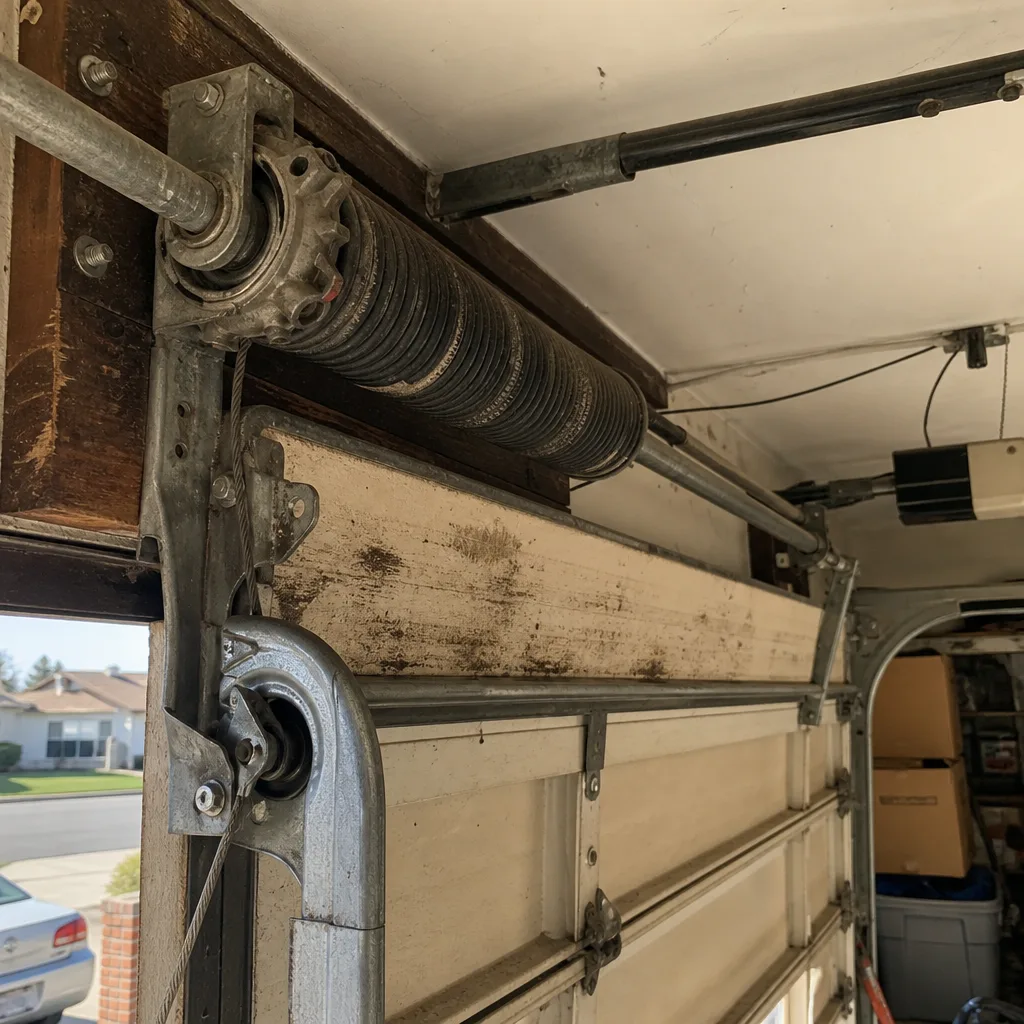 Before
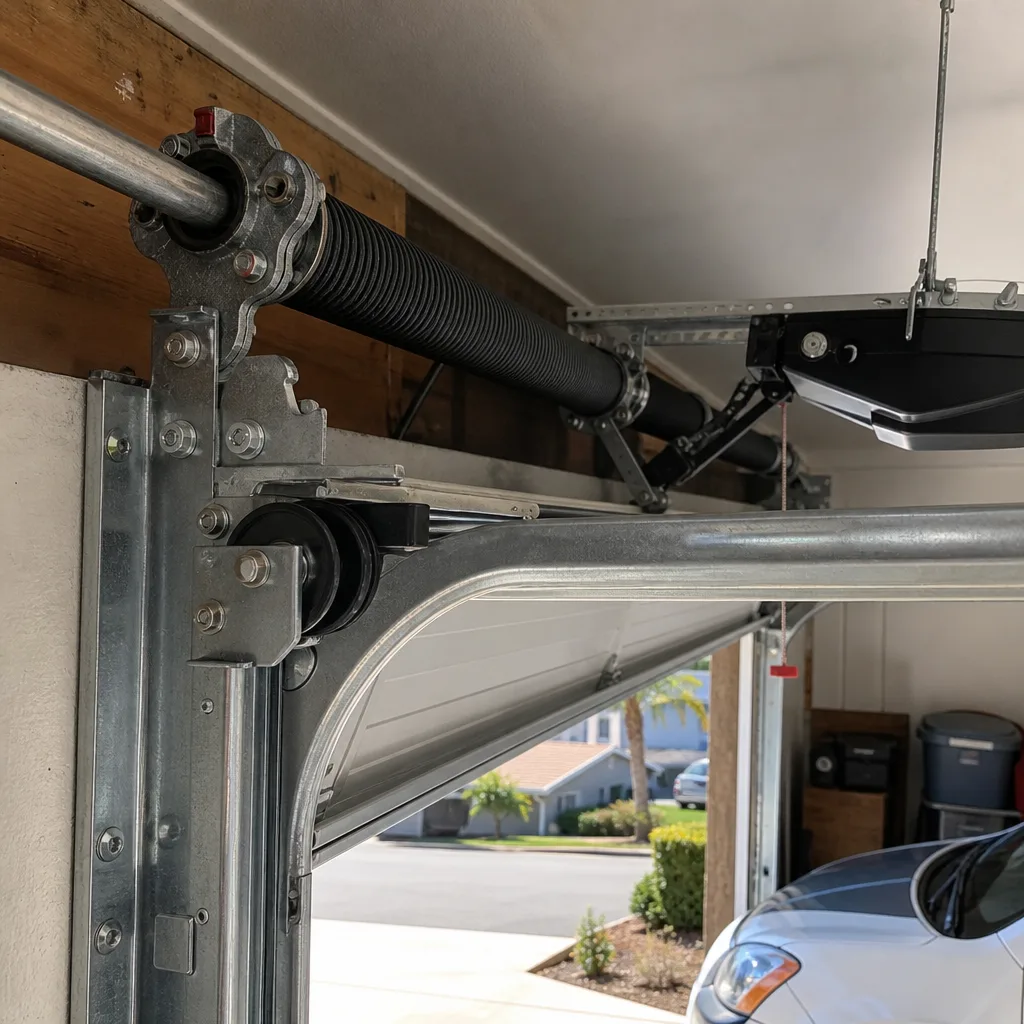 After
After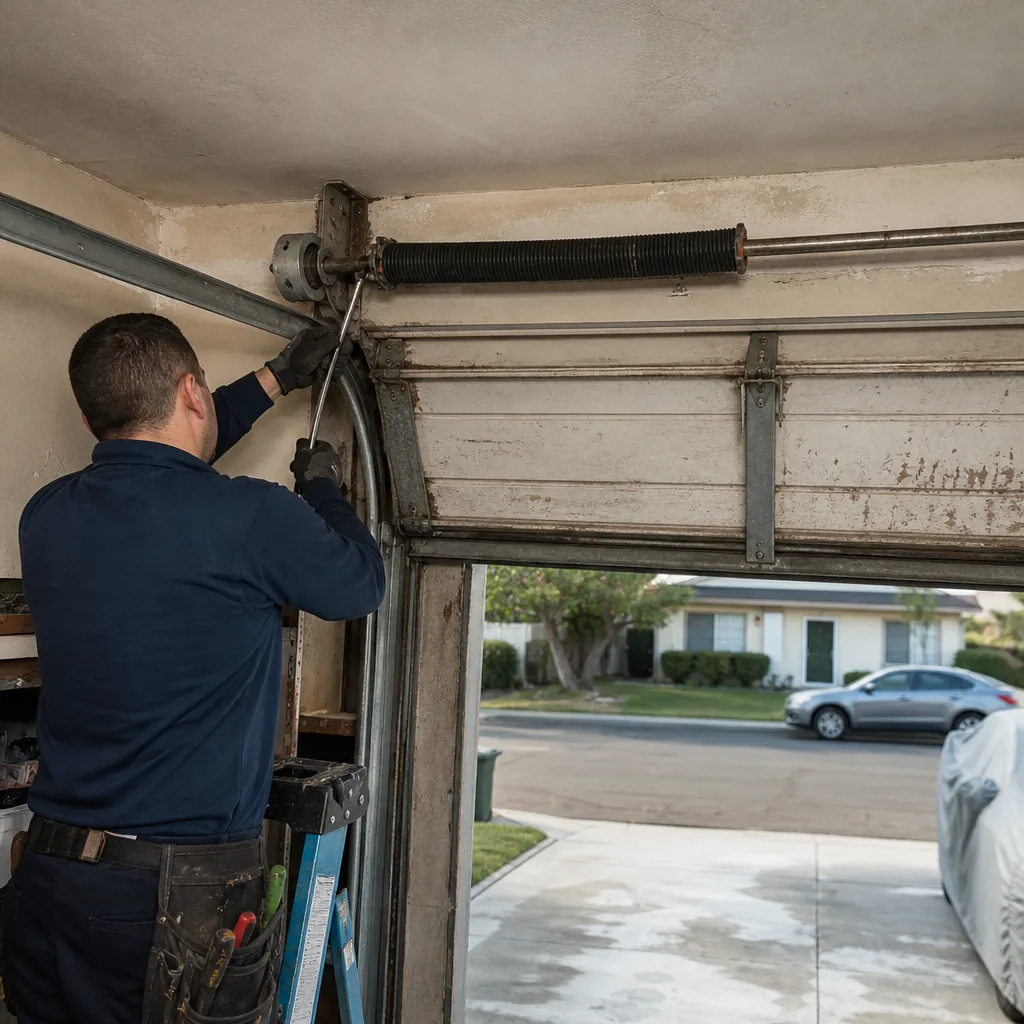 Before
 After
After Before
 After
After